-
Products
-
![]() Storage & Logistics Equipment
Storage & Logistics Equipment
- All Products
-
Featured Products
Featured Products
- Used Products
-
![]() Racking & Storage Systems
Racking & Storage Systems
- All Storage Systems
- Racking Inspections and Repairs
- Safety, Process & Maintenance
- Warehouse Transfer Rentals
-
![]() Rental Equipment
Rental Equipment
- Equipment To Rent
-
![]() Manufacturing
Manufacturing
- Plastic Box Manufacturing
- Roll Pallet Manufacturing
- Stillages Manufacturing
-
![]() End-to-End Service
End-to-End Service
- The Full Product & Service Offering
-
- Rental
- Industries
- About
- News & Insights
- FAQs












What Are Stillages and Post Pallets?
- Blog
- Stillages and Post Pallets
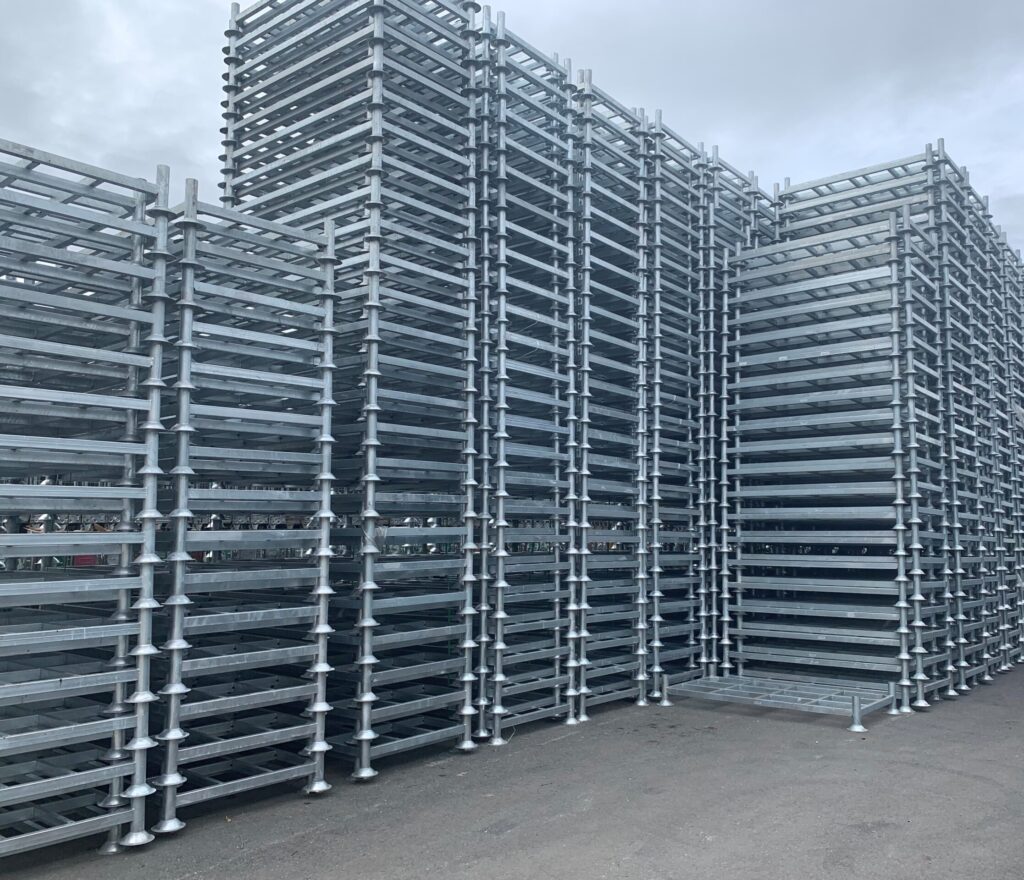
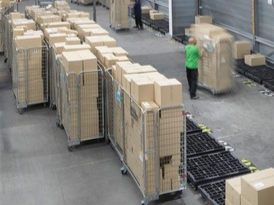
A stillage is a reusable storage and transport structure that helps businesses hold, protect, move, and stack goods safely within warehouses, factories, distribution centres and supply chains. If you have ever asked “what is a stillage?” or wondered “what is a post pallet?”, this blog explains both terms clearly, along with their types, benefits, and industry applications.
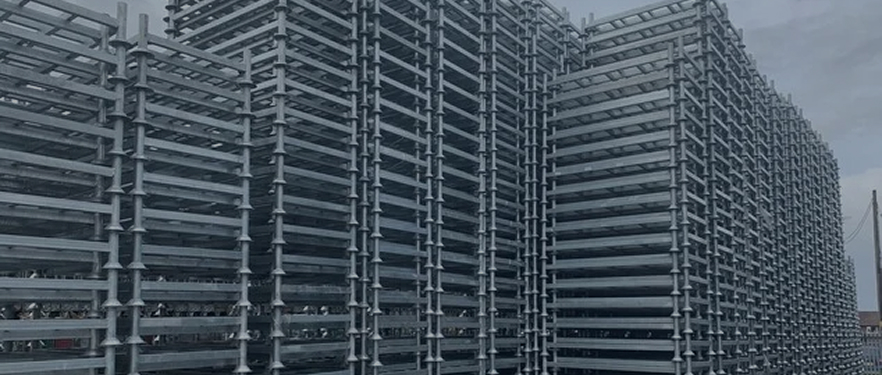
Manufacturers commonly produce stillages from steel and are designed to improve storage efficiency, product protection, and handling operations. The stillages meaning is rooted in this core function. Post pallets are one of the most common types of stillage, combining a sturdy base with corner posts to keep loads secure and stable.
Before looking at the different types available, it helps to answer what a stillage is and what a post pallet is in a little more detail, since the two terms are often used interchangeably but mean slightly different things.
What Is a Stillage?
So, what is a stillage, exactly? The industry uses the term ‘stillage’ to describe storage and transport platforms that securely contain products during storage and movement.
The meaning of stillage can vary slightly between industries, but the term generally describes a structure that helps businesses:
- Hold goods safely.
- Improve storage efficiency.
- Enable stacking.
- Simplify handling and transportation.
- Protect products from damage.
Depending on the application, stillages can feature different designs, including:
- Open stillages – ideal for easy access and loading of larger items.
- Enclosed stillages – fully contained on all sides, offering maximum protection for sensitive or high-value goods.
- Fixed stillages – feature a rigid, non-removable frame for consistent strength and stability.
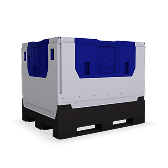
- Collapsible stillages – fold flat when empty, saving valuable space during storage or return transport.
- Mesh-sided stillages – allow visibility and airflow while still keeping products secure.
- Removable post stillages – fitted with posts that can be taken out for versatile handling and stacking.
What Are Stillages Used For?
Understanding what stillages are used for starts with looking at their core functions. Businesses use stillages across four main areas:
Storage – used to organise products in warehouses, factories, and storage facilities.
- Transportation – allows products to be moved safely between sites, suppliers, and customers.
- Product protection – prevent damage to goods during storage and transit.
- Space optimisation – enable vertical stacking and better warehouse space utilisation.
Warehouses, factories, and distribution centres commonly use stillages where goods need to be stored efficiently or moved regularly. Stillages are particularly useful for bulky, heavy or awkwardly shaped products that conventional shelving or pallet systems may not handle effectively.
Their robust steel construction allows businesses to handle heavy loads and repeated use, helping businesses reduce the need for disposable packaging solutions.
Types of Stillages
Stillages cover a broad product category, and different designs suit different products and operational requirements. The answer to what a stillage is often depends on the industry asking the question, since the term covers everything from open metal frames to fully enclosed cage units.
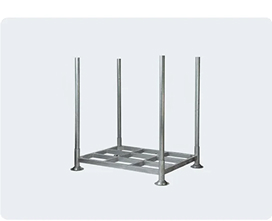
Post Pallet Stillages – What Is a Post Pallet?
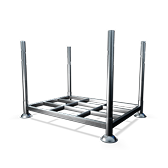
So, what is a post pallet? A post pallet is a stillage with a base platform and removable or fixed upright corner posts. Key features include:
- Steel base – a solid steel platform forms the foundation, giving the unit the load-bearing strength to handle heavy goods reliably.
- Four corner posts – vertical posts rise from each corner to support and contain the load, keeping it stable during storage and movement.
- Cupped feet – feet with a cupped profile locate securely into the corner posts of the unit below, keeping stacked stillages aligned and reducing the risk of slippage.
- Stackable design – operators can stack post pallets with or without posts in place, making them space-efficient whether they’re loaded with stock or sitting empty.
- Demountable options – posts can be removed entirely, which simplifies storage when the units aren’t in use and makes return transport more practical.
It’s worth clarifying that all post pallets are stillages, but not all stillages are post pallets, so the two terms are related but not interchangeable.
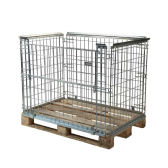
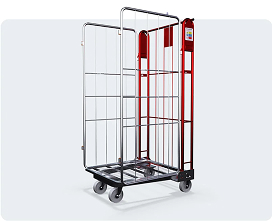
Cage Stillages (or Cage Pallets)
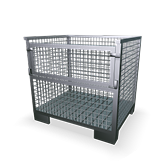
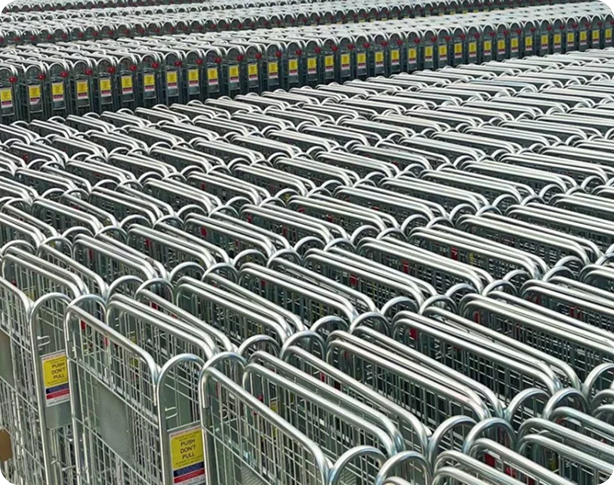
Cage pallets use mesh sides to fully contain products. Benefits include:
- Improved security – the enclosed mesh structure keeps products contained throughout storage and transit, reducing the chance of items falling out or being misplaced.
- Product visibility – because the sides are mesh rather than solid, anyone on the warehouse floor can see what’s stored inside without needing to open or unload the cage.
- Suitable for loose items – cage pallets are particularly well suited to products that aren’t individually packaged or that would otherwise be difficult to secure on a flat pallet.
- Reduced risk of product loss – full containment on all sides means there’s far less chance of items falling off during forklift movement or when the unit is relocated within a site.
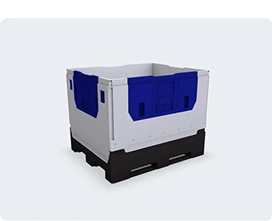
Folding and Collapsible Stillages
When a stillage isn’t carrying a load, it still takes up space, and in a busy warehouse or distribution centre, empty equipment sitting around is a real cost. Collapsible stillages solve this by folding down flat when they’re not in use, significantly cutting the footprint they occupy.
The benefits of choosing a collapsible design include:
- Reduced storage footprint – folding the sides down means empty stillages take up a fraction of the space of a rigid equivalent, freeing up room for stock and active operations.
- Improved return transport efficiency – when stillages need to go back up the supply chain, collapsible units stack far more compactly in a vehicle. More units fit per load, which means fewer return trips and less time spent coordinating empties.
- Lower logistics costs – fewer return journeys and better load utilisation translate directly into lower transport costs over time. For businesses running regular collection cycles, the savings from a collapsible design add up quickly.
Bespoke Stillages
Not every product fits neatly into a standard stillage. When off-the-shelf designs don’t meet the brief, custom-engineered stillages offer a more practical solution.
Palletower’s manufacturing capabilities allow bespoke stillages to be produced for businesses with non-standard handling requirements, with each unit designed around the specific dimensions, weight, and characteristics of the product it carries.
Several products benefit from bespoke stillage designs, including:
- Automotive components – parts such as body panels, engine components, and assemblies often have unusual profiles or require precise positioning to avoid damage during storage and transit. Manufacturers can design a bespoke stillage to hold each part in the right orientation.
- Textile rolls – rolls of fabric, carpet, or other materials need dedicated support to prevent deformation, surface damage, or unrolling. Custom cradles or spindle mounts within a stillage frame keep rolls stable and protected.
- Engineering products – machined components, heavy castings, and fabricated parts can be awkward to store safely on standard equipment. A purpose-built stillage helps businesses store parts securely without contact points that could cause scratching or denting.
- Construction materials – items such as bespoke window frames, door sets, or specialist fixings may need dedicated containment to prevent movement and protect finished surfaces during transit between site and supplier.
Regardless of the design, the same basic question of “what is a stillage” applies: it’s a structure built to hold, protect, and move goods safely.
Benefits of Using Stillages
Looking beyond what a stillage is and into practical use, what are stillages actually worth to a business? They represent a long-term investment in storage and handling efficiency.
Better Space Utilisation
Vertical stacking helps stillages maximise warehouse capacity, reducing floor space requirements and freeing up room for other operations.
Improved Product Protection
Good stillage design does more than simply hold a load in place. It actively shields products from the conditions they face in a busy warehouse or during transit. Stillages prevent several types of damage, including:
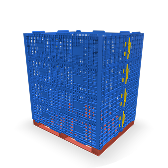
- Crushing – stackable stillages transfer the weight of upper loads through the frame itself rather than through the product. This means goods stored at lower levels don’t bear the weight of what’s stacked above them.
- Product movement – posts, mesh sides, and enclosed frames hold items in position during lifting, transit, and storage. Conventional packaging may allow products to shift, causing damage during transit; a correctly specified stillage keeps them where they need to be.
- Storage-related deterioration – stillages keep goods elevated and contained, reducing contact with floors and limiting exposure to conditions that can cause deterioration over time. Mesh designs also allow airflow, which helps in environments where ventilation matters.
Increased Handling Efficiency
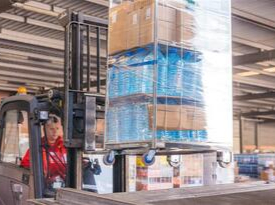
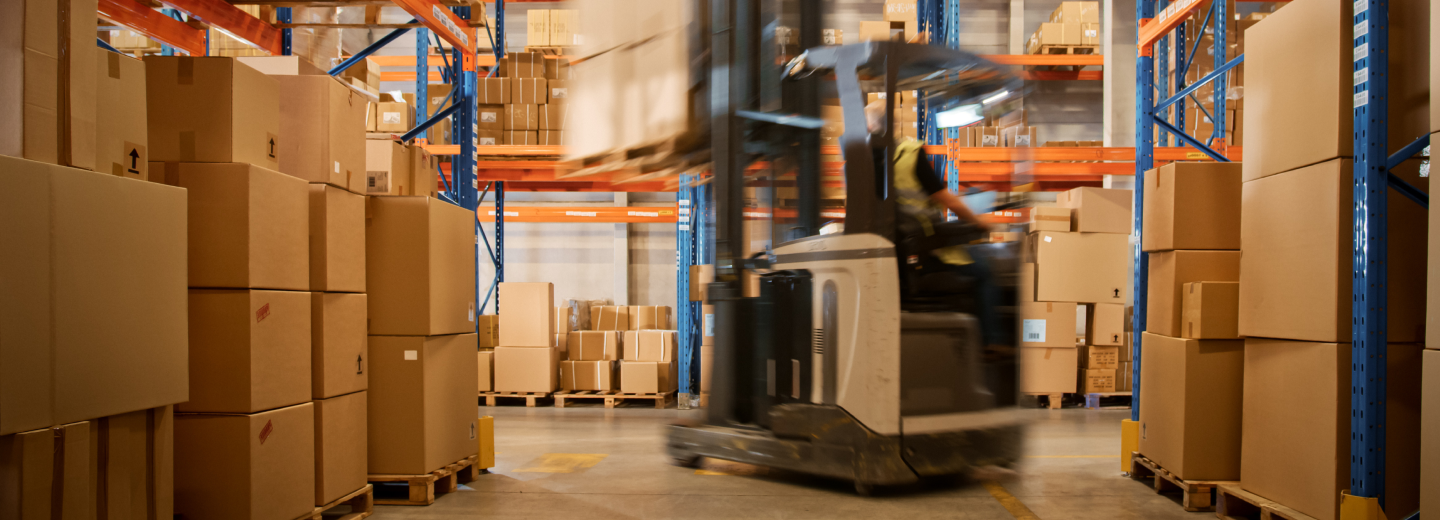
Stillages make it straightforward to move goods by forklift or pallet truck. The steel base provides a consistent entry point for forks, and the uniform footprint means operators can pick up and set down units quickly and confidently. This speeds up loading and unloading across busy sites, reduces the time spent repositioning loads, and cuts the risk of handling errors that can slow operations down.
Long-Term Durability
Galvanised steel stillages offer a longer lifespan compared with timber alternatives. Galvanising adds a zinc layer that protects steel against rust and corrosion and keeps units in good working condition even in damp or outdoor environments. Timber pallets can warp, splinter and degrade with repeated use, particularly in wet or variable conditions, whereas a well-maintained steel stillage can withstand years of regular handling without losing structural integrity. That longer lifespan means lower replacement costs and less disruption to operations over time.
Industries That Use Stillages
Stillages have broad applicability, with industries that commonly benefit from using them including:
- Engineering.
- Automotive.
- Warehousing and logistics.
- Manufacturing.
- Construction.
Key Features of Post Pallets and Stillages
Now that we have answered what a post pallet is in more general terms, here is a closer look at the specific options available.
The Palletower post pallet stillage range comes in four sizes: small, medium, large and standard. The standard size matches the footprint of a traditional wooden pallet, making it a straightforward like-for-like swap for businesses looking to move from timber to steel.
Base sizes range from 1,015 mm x 1,115 mm to 2,030 mm x 1,060 mm, and the following post length options are available:
- 1,000 mm – galvanised only.
- 1,220 mm – galvanised only.
- 1,500 mm – blue epoxy paint or galvanised.
- 1,800 mm – galvanised only.
Different pallet sizes offer different load strength, with a maximum weight capacity per stillage of 800 kg to 1,000 kg.
Every unit in the range allows operators to remove the posts for versatile handling. They are also stackable, with box and cage pallets and post pallets able to be stacked with or without posts in place, making them doubly space-efficient when loaded and empty.
Stillages, Post Pallets, and Warehouse Storage Solutions from Palletower
Stillages and post pallets offer a flexible, durable way to store, protect, and move goods across almost any industry. Whether you came to Palletower to find out what a post pallet is, or you are in the market for an open stillage, a fully enclosed cage pallet, a collapsible cage pallet, or a bespoke design, Palletower’s full range covers a wide variety of operational needs.
With UK stockholding for fast availability and genuine expertise in storage and handling equipment, you can enquire now, and our team can help you to choose the right solution and define stillage requirements specific to your operation.