-
Products
-
![]() Storage & Logistics Equipment
Storage & Logistics Equipment
- All Products
-
Featured Products
Featured Products
- Used Products
-
![]() Racking & Storage Systems
Racking & Storage Systems
- All Storage Systems
- Racking Inspections and Repairs
- Safety, Process & Maintenance
- Warehouse Transfer Rentals
-
![]() Rental Equipment
Rental Equipment
- Equipment To Rent
-
![]() Manufacturing
Manufacturing
- Plastic Box Manufacturing
- Roll Pallet Manufacturing
- Stillages Manufacturing
-
![]() End-to-End Service
End-to-End Service
- The Full Product & Service Offering
-
- Rental
- Industries
- About
- News & Insights
- FAQs





















How to Plan Warehouse Storage for Seasonal Demand Spikes
- Storage Solutions

How to Plan Warehouse Storage for Seasonal Demand Spikes
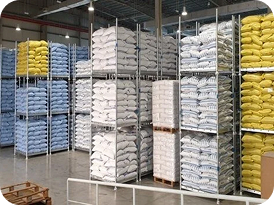
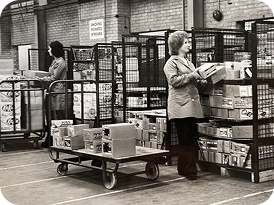
Seasonal demand spikes aren’t the exception anymore; they’re the norm. E-commerce growth, promotional events, and shifting buying habits mean most warehouses now face predictable surges: Black Friday, Christmas, summer retail peaks, agricultural harvests, manufacturing production cycles, and one-off promotional campaigns.
Many businesses underestimate the implications of these peaks for their storage solutions. The result is congestion, inefficiency, and costs that creep up without anyone quite noticing why. Extra stock has to go somewhere, and when there’s no plan for where to store it, it ends up in gangways, goods-in areas, or wherever there’s a gap on the floor.
Planning warehouse storage isn’t simply about creating more space. It’s about building flexible capacity that expands and contracts with demand. That flexibility lets you meet customer expectations without overinvesting in permanent infrastructure that you might not need in a couple of months.
Why Seasonal Demand Creates Warehouse Storage Challenges
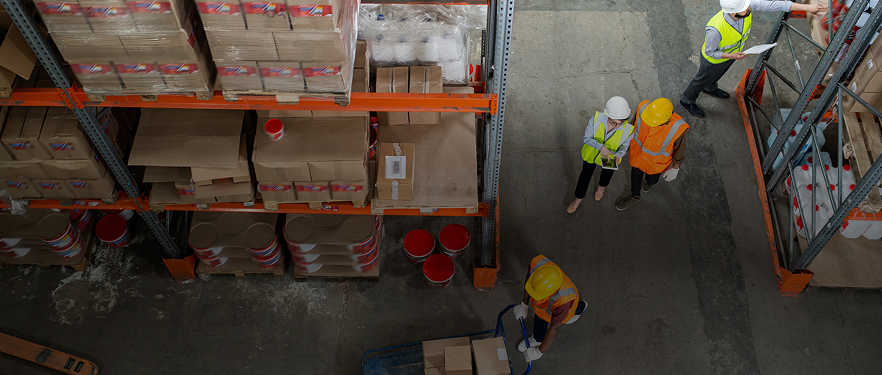
A demand spike doesn’t just fill your shelves; it puts pressure on every part of your operation. Storage capacity and inventory, receiving, picking, dispatch, labour, and health and safety all feel the strain at once, and they rarely feel it evenly. A bottleneck at goods-in during a rush week can back up an entire shift before anyone reaches the picking floor.
When storage reaches capacity, the knock-on effects show up fast:
- Aisles become blocked.
- Picking routes get longer.
- Inventory gets harder to locate.
- Product damage increases.
- Vehicle loading slows down.
Poor storage planning often creates operational bottlenecks before you’ve even banked the extra sales. Getting ahead of this is what separates a smooth peak season from a stressful one, and it’s usually the warehouses that plan months, rather than weeks, in advance that come through peak with the fewest headaches.
Forecast Seasonal Demand Before Planning Storage
Good warehouse planning starts with accurate forecasting, not with buying more equipment. Use what you already have:
- Historical sales data shows what actually happened during previous peaks, giving you a more reliable starting point than guesswork.
- Previous seasonal trends reveal patterns that tend to repeat year on year, such as which product lines spike first and how quickly demand tails off.
- SKU growth matters because new or fast-growing product lines won’t have a full season of history behind them, so historical data alone won’t cover them.
- Supplier lead times determine how early you need to place orders. The longer the lead time, the sooner you need to act on your forecast.
- Promotional calendars flag planned campaigns that can pull demand forward or spread it across a longer period than a typical seasonal peak.
- Customer forecasts from key accounts are often your most accurate signal, particularly where a small number of customers make up a large share of volume.
- Market trends across your sector help you judge whether this year’s peak is likely to follow the same shape as previous years or shift due to wider conditions.
Forecasting lets you put real numbers against your plan: how many extra pallet positions you’ll need, how much storage volume, what picking capacity looks like, which handling equipment you’ll need, and how much temporary labour to bring in. Without that groundwork, decisions about space tend to be reactive, made under pressure once the stock has already started arriving.
Review your forecasts several months before peak season wherever you can. The earlier you know the shape of the spike, the more options you’ll have to prepare for it, whether that’s negotiating supplier lead times, booking equipment ahead of the rush, or simply giving your team time to adjust to a new layout.
Assess Current Warehouse Storage Capacity
Before you invest in anything new, find out what capacity you already have. It’ll save you money and space. Review:
- Current space occupancy tells you how full your warehouse is, rather than how full it feels.
- Available floor space highlights areas that look occupied but aren’t being used to their full potential.
- Vertical storage utilisation often reveals the easiest wins, as many warehouses under-use the height they already have.
- Receiving and dispatch areas need reviewing separately, since congestion here can bottleneck the whole site even when storage itself has room to spare.
- Picking locations show whether staff place fast-moving stock for efficiency, so it fits upon arriving.
- Dead or unused space includes awkward corners, blocked bays, and areas staff have written off as unusable that a fresh look might reclaim.
- Obsolete inventory ties up space that could otherwise go to seasonal stock and is often the quickest capacity to free up. Many warehouses unlock meaningful extra capacity through an audit, revealing space that’s available but effectively unusable because of how you’ve laid it out or stocked it.
Optimise Existing Warehouse Space Before Expanding
Increasing storage capacity doesn’t always mean more square footage. Practical changes often free up more room than you’d expect:
- Re-slotting fast-moving inventory closer to picking and dispatch cuts travel time and frees up prime locations for peak stock.
- Removing obsolete stock clears space that’s doing nothing for you.
- Improving SKU organisation makes locating and replenishing stock faster, especially once volumes rise.
- Increasing vertical storage makes use of height that standard picking levels leave empty.
- Reducing aisle congestion keeps pickers and vehicles moving, which matters more as order volumes climb.
- Consolidating slow-moving products into fewer, denser locations frees up space for higher-turnover lines.
- Improving picking layouts shortens routes and reduces errors when staff, including temporary hires, are working at pace.
These improvements often delay or eliminate the need for warehouse expansion. They also tend to pay off outside of peak season too, since a better-organised warehouse runs more efficiently all year round, not just during the busy months.
Increase Storage Capacity with Flexible Warehouse Equipment
Once you’ve optimised what you have, flexible equipment is the next step, and a genuine alternative to permanent expansion.
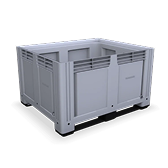
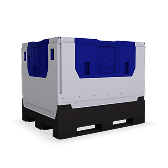
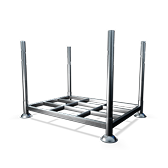
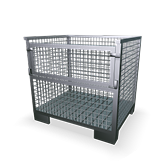
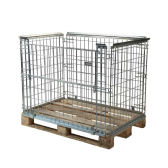
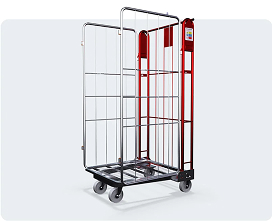
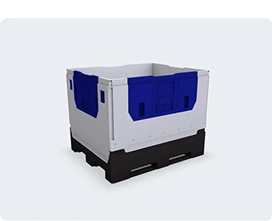
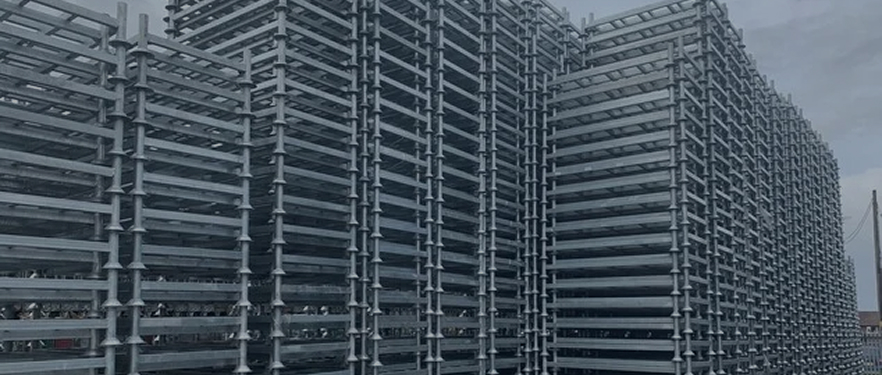
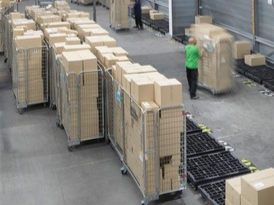
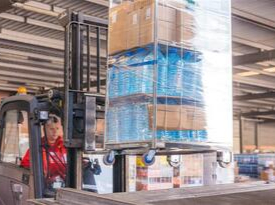
Seasonal demand calls for temporary solutions, not permanent investment. Rental equipment, including roll pallets and cages, nestable roll pallets, collapsible cage pallets, collapsible plastic box pallets, and nestable box pallets, gives you that temporary boost without tying up capital.
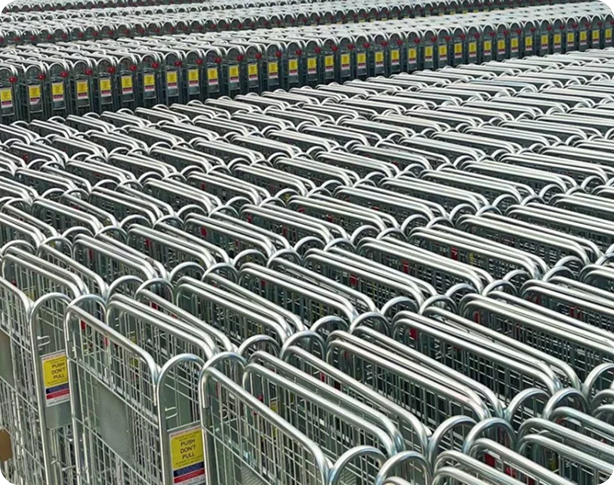
Flexible equipment lets you increase storage quickly, adapt layouts during peak periods, reduce congestion, improve stock accessibility, and scale storage up or down as demand shifts. Because much of it is collapsible or nestable, it also takes up minimal space once peak season is over, so it doesn’t just create a new storage problem of its own.
That flexibility reduces operational risk during unpredictable trading periods, which matters just as much as the extra space itself. When forecasts shift, as they often do, equipment you can scale up or send back gives you room to adapt without committing to a decision you’re stuck with for years.
Rent vs Buy Warehouse Equipment for Seasonal Demand
Buying equipment for a temporary spike often leaves you with underused assets once peak season ends. It’s worth weighing up both routes properly.
Buying equipment means:
- Higher upfront capital expenditure.
- Long-term ownership.
- Ongoing storage requirements.
- Maintenance responsibilities.
- Potential underutilisation.
Renting equipment means:
- Lower upfront costs.
- A temporary commitment.
- Equipment returned after peak.
- Greater flexibility.
- Easier budgeting.
Renting preserves your capital while letting you respond to demand as it actually moves, rather than as you predicted it would six months ago. It’s also worth checking rental warehouse storage equipment availability early, as demand for rental stock tends to rise sharply in the run-up to peak season.
Build Flexibility into Your Warehouse Layout
Your layout should flex with your inventory volumes across the year, not just cope with them. That means designing in:
- Temporary storage zones.
- Flexible picking locations.
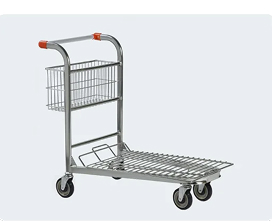
- Mobile equipment.
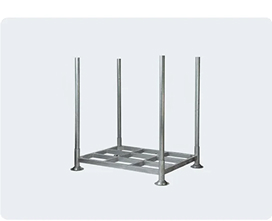
- Modular storage systems.
- Overflow storage areas.
- Collapsible equipment.
An adaptable layout minimises disruption during the transitions in and out of peak season, which is often where the real pain points show up. Warehouses that treat their layout as fixed tend to struggle most in the weeks either side of a spike, when volumes are changing fast, but the space hasn’t caught up.
Seasonal Warehouse Storage Planning Checklist
To make sure you’re prepared and have the required storage ahead of time, work through this checklist ahead of your next peak:
- Forecast seasonal demand.
- Audit warehouse capacity.
- Remove obsolete inventory.
- Optimise current storage layouts.
- Calculate temporary storage requirements.
- Decide whether renting offers better value than buying.
- Confirm supplier stock availability.
- Reserve equipment in advance.
- Train warehouse staff.
- Test warehouse workflows before peak begins.
Choosing the Right Warehouse Storage Equipment for Seasonal Peaks
When it comes to picking the equipment, you don’t want to make mistakes which could delay or hinder your business. It’s therefore important to weigh up:
- Forecast demand duration.
- Available warehouse space.
- Product dimensions.
- Inventory turnover.
- Picking frequency.
- Mobility requirements.
- Storage density.
- Equipment compatibility.
- Rental versus purchase costs.
- Supplier stock availability.
- After-sales support.
Focus on operational flexibility and total cost of ownership rather than just comparing purchase prices. The cheapest option upfront isn’t always the cheapest once you’ve factored in storage, maintenance, and what happens to it after peak season ends. Equipment that’s compatible with what you already run on-site is often worth paying a little more for. Doing so avoids retraining staff or reworking layouts halfway through your busiest weeks.
Prepare for Seasonal Demand with Flexible Warehouse Storage Solutions from Palletower
Flexibility, not permanent expansion, drives successful seasonal planning. Palletower helps businesses respond quickly to changing demand by offering the option to rent or buy roll pallets and cages, rental warehouse storage equipment, and more.
We help warehouses increase capacity quickly while cutting unnecessary capital expenditure, so you’re ready for peak without paying for space you don’t need the rest of the year. From nestable roll pallets to collapsible plastic box pallets, our range covers most seasonal storage needs, with stock available on both a rental and ex-stock purchase basis.
Enquire or contact the Palletower team to talk through flexible storage solutions for your next seasonal demand spike.