-
Products
-
![]() Storage & Logistics Equipment
- All Products
-
Featured Products
Featured Products
- Used Products
-
![]() Racking & Storage Systems
- All Storage Systems
- Racking Inspections and Repairs
- Safety, Process & Maintenance
- Warehouse Transfer Rentals
-
![]() Rental Equipment
- Equipment To Rent
-
![]() Manufacturing
- Plastic Box Manufacturing
- Roll Pallet Manufacturing
- Stillages Manufacturing
-
![]() End-to-End Service
- The Full Product & Service Offering
-
- Rental
- Industries
- About
- News & Insights
- FAQs


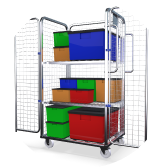
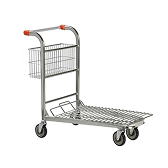









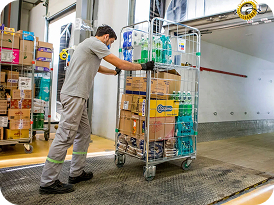
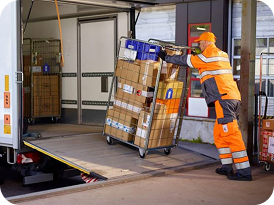

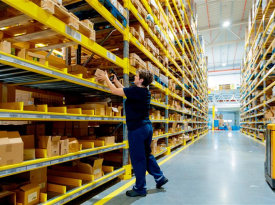
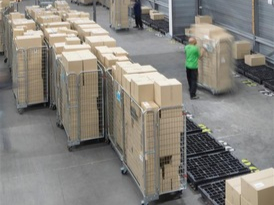

In-Store Christmas Ready: Picking Trolleys | Palletower
- Blog
- Picking Trolleys
- Storage Solutions
In-Store Christmas Ready: Shopping Trolleys and Efficient Aisle Replenishment
At Christmas, every aisle gets busier, every shopping trolley works harder and every minute matters. With fuller baskets and more online orders to pick and pack, retail teams must keep shelves stocked and orders moving without disrupting shoppers.
The right picking trolley helps teams work efficiently, from collecting multiple ecommerce orders in one trip to replenishing fast-selling products.
And with online grocery sales growing by 9.9% over Christmas 2025, according to NielsenIQ (NIQ), as reported by Marketing Week, effective in-store fulfilment is more important than ever.
In this guide, we’ll cover:
- Why Christmas puts pressure on in-store operations.
- How to prepare your store and equipment for peak.
- Ways to streamline online order picking.
- How to replenish shelves efficiently.
- Keeping staff and customers safe.
- Choosing the right trolleys for customers, stock and orders.
- Continuing on into January.
- Getting your store Christmas ready with Palletower.
Why Christmas puts pressure on in-store operations
Christmas trading brings several challenges together. More customers are shopping in person, baskets are often packed, and popular seasonal products can disappear from shelves quickly. Meanwhile, online and click and collect orders need picking, checking and staging for collection, usually during opening hours.
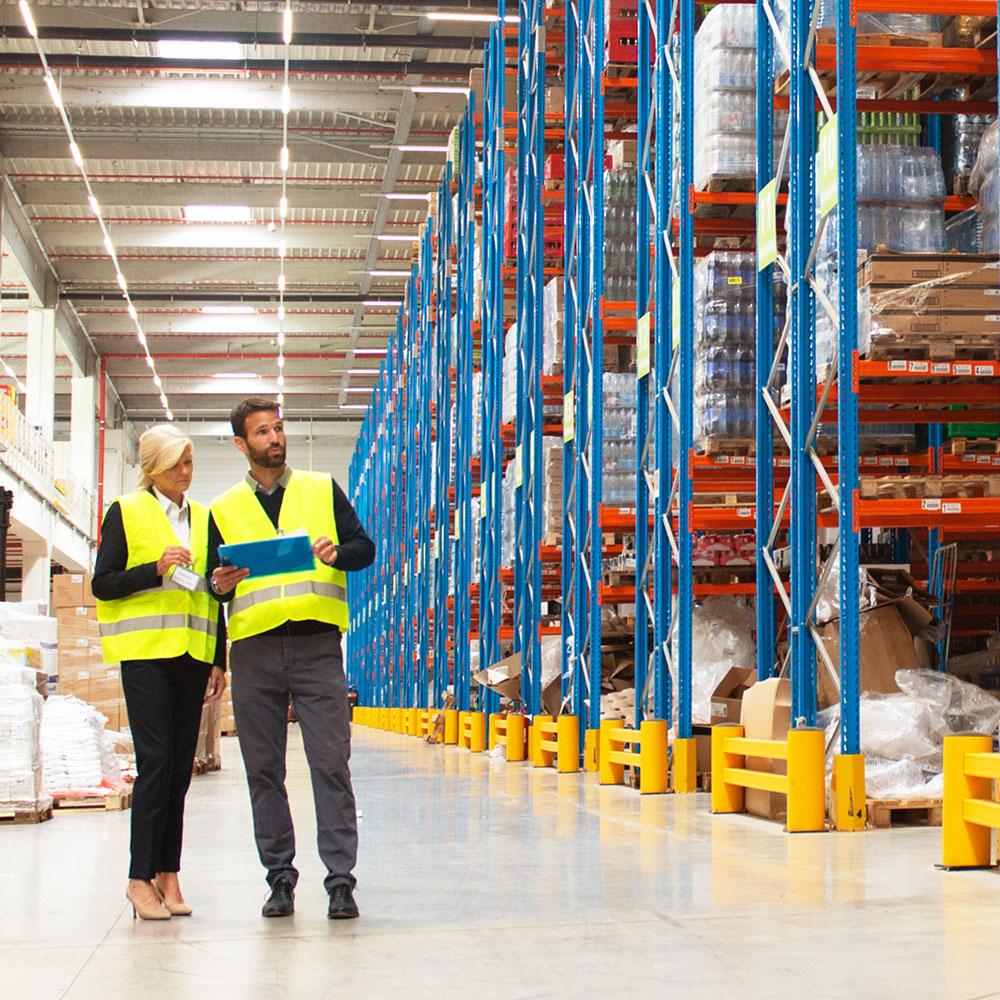
That creates competing demands on the same space. Colleagues replenishing shelves must navigate customer aisles, while order pickers need to find products quickly without blocking other shoppers or staff. Seasonal recruits add another consideration: they may be unfamiliar with store layouts, picking routes and equipment.
The answer isn’t simply to ask teams to work faster. Clear processes, well-planned routes and suitable stock and order picking trolleys can help make everyday tasks more manageable when demand peaks.
Planning ahead: preparing your store for peak
A smoother Christmas starts well before the first festive rush. Use previous years’ sales figures, online order volumes and stock movement data to identify likely pressure points. Black Friday weekend, the final shopping days before Christmas and key promotional periods tend to need additional cover, depending on your store and customer demand.
Build your staffing plan around those forecasts. Consider when online orders are likely to peak, when deliveries arrive and which hours offer the best opportunities for replenishment. Make sure responsibilities are clear, so teams know who’s picking orders, who’s moving stock to shelves and who’s managing completed collections.
Next, audit, audit, audit. Count available trolleys, inspect their condition and identify anything that needs repairing or replacing. Waiting until the stockroom is overflowing to discover you’re short of suitable equipment is a festive surprise nobody needs.
It’s also worth mapping your store’s busiest routes. Identify where order picking and replenishment can take place with minimal disruption, where completed orders should be staged, and where trolleys can be parked without obstructing walkways. If possible, separate picking routes from replenishment routes to reduce unnecessary congestion.
Finally, brief your teams before trading intensifies. A short, practical induction covering routes, equipment, loading procedures and handover points can help seasonal colleagues get up to speed. A little preparation now can save plenty of headaches later.
Streamlining online order picking in store
Efficient ecommerce fulfilment depends on more than finding the right products. Teams also need to collect multiple items, keep orders organised and get everything to the collection or packing area without unnecessary handling.
Start by reviewing when orders are picked. Where operationally possible, schedule more picking for quieter periods, such as early mornings or evenings. This can reduce competition for aisle space, although store opening hours, staffing and order deadlines will influence what works best.
Batch picking is another option. Instead of completing one order before starting the next, colleagues can collect products for several orders during the same trip. This reduces repeated journeys, provided each order remains clearly separated and the process suits your systems.
Plan routes around the store layout, too. Larger supermarkets may benefit from dividing the shop floor into zones, allowing pickers to work through defined sections rather than repeatedly crossing the store. Pick products directly into clearly labelled totes or containers wherever possible, reducing the need to handle items again later.
A dedicated staging area will work wonders. Keep completed orders organised and ready for packing or click and collect, away from customer routes and active replenishment areas. Agree how orders are labelled, checked and handed over so they don’t become mixed up during the rush.
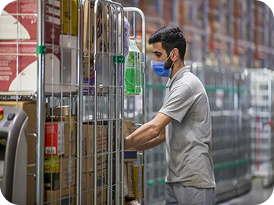
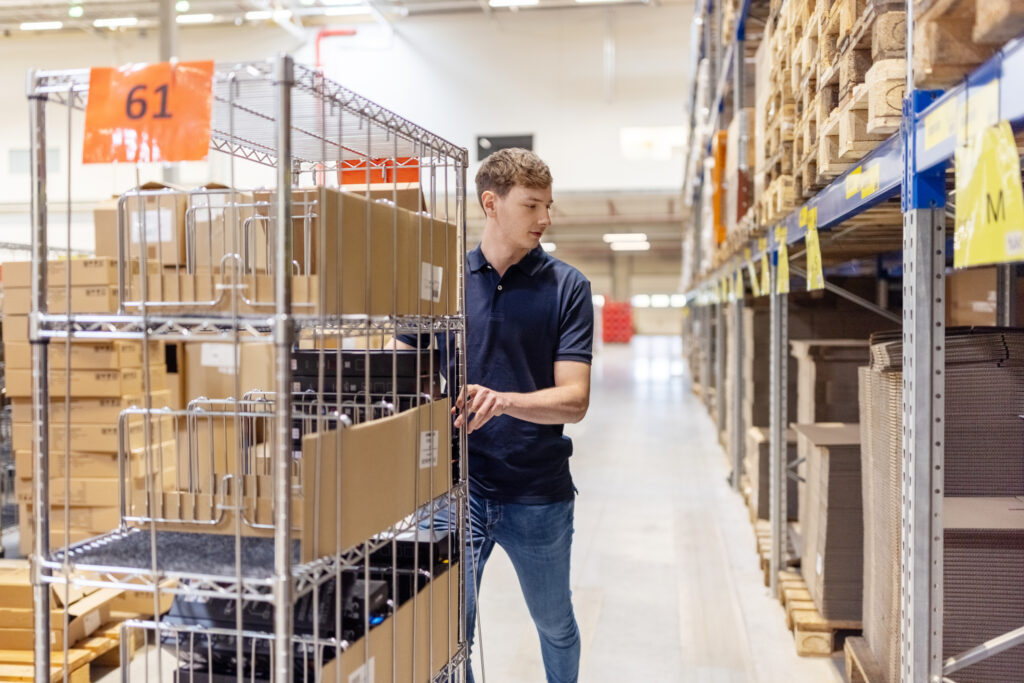
Your choice of ecommerce picking trolley should support that workflow. Palletower’s multi tier picking trolley (20.MT4) holds up to eight 600 x 400mm tote boxes, with a scanner holder and bag hanger. That gives teams a practical way to move multiple orders around the store while keeping the equipment suited to the demands of picking.
Keeping staff and customers safe during busy periods
A busy shop floor makes good working practices even more important. Trolleys can help teams move goods without carrying every item by hand, but equipment still needs to be appropriate for the task and used sensibly.
Start with the load. Check the trolley’s stated capacity, distribute items sensibly and avoid overloading it or obstructing the operator’s view. Where practical, pushing rather than pulling may be preferable, but the load, route, trolley design and individual task all matter.
It should go without saying, but use steps rather than climbing on shelving on fixtures.
The Health and Safety Executive’s manual handling guidance explains how workplaces can reduce risks associated with lifting, carrying, pushing and pulling. Its guide to making the best use of lifting and handling aids is also a useful reference when reviewing equipment and working practices.
Check castors, frames and brakes regularly, and remove damaged equipment from use until it’s been assessed. Non-marking, quieter castors are better suited to minimising noise during trading hours.
Make sure seasonal staff understand how to use the equipment provided. Explain picking and replenishment routes, where trolleys should be parked and how to handle loads. For equipment fitted with steps, ensure staff understand the intended operation and follow the relevant instructions.
Finally, keep customer routes, walkways and fire exits clear. A well-organised trolley fleet should help stock move through the store, not turn the aisle into an obstacle course.
Keeping shelves full: efficient aisle replenishment
A shelf that looks full at opening can tell a different story by lunchtime. During Christmas trading, fast-moving products and promotional lines may need replenishing more frequently, making a clear stockroom-to-shelf process essential.
Where possible, schedule larger replenishment tasks before opening or after closing, leaving smaller top-ups for trading hours. Prioritise products that sell quickly, and factor in seasonal promotions that are particularly important to your customers. Your sales and stock data can help identify which lines need the closest attention.
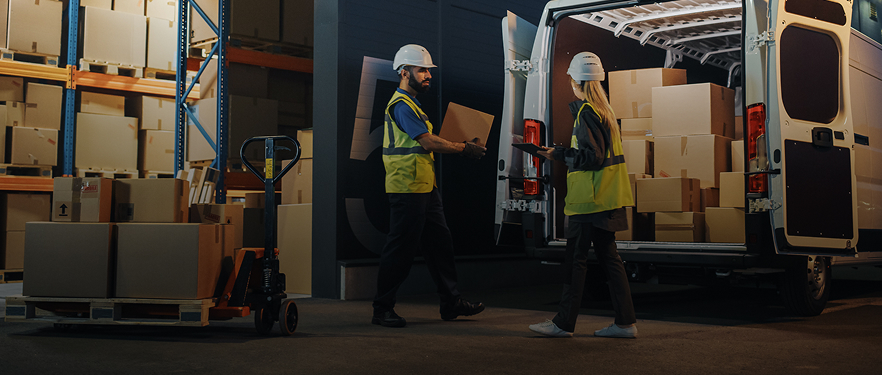
Organisation in the stockroom matters just as much. Pre-sort incoming stock by aisle or department so colleagues can load what they need and make each trip count. Rather than moving back and forth to collect forgotten items, teams can replenish a defined section in one smooth, planned journey.
Keep aisles as clear as possible while work is under way. Agree where equipment can be parked, avoid leaving stock in customer routes and coordinate replenishment around busy periods. Depending on the store layout, using one trolley at a time in a narrow aisle is a great way to reduce congestion.
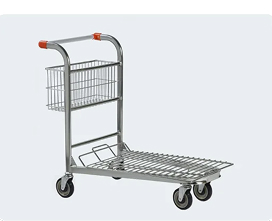
Choosing the right stock trolley can make these routines easier to manage. Palletower’s stock trolley (20.MT12) has a narrow, foldable design, a 500kg load capacity and a shelf that provides a convenient working height for picking and loading stock. It’s designed for retail ecommerce and in-store shelf replenishment, with noise-reducing, non-marking castors.
For stores where colleagues regularly need to access higher shelves, a picking trolley with steps offers another practical option. Palletower’s multifunctional 20.MT9 combines a picking trolley with three fitted, fold-away steps. The steps fold into the unit when not in use, making it easier to store and manoeuvre the trolley in tighter spaces. Its features make it worth considering for stockrooms and replenishment tasks where both equipment functions are needed.
Getting your shopping trolley fleet ready
Picking and replenishment equipment helps colleagues do their jobs behind the scenes, but customer-facing supermarket trolleys need attention before the Christmas rush, too.
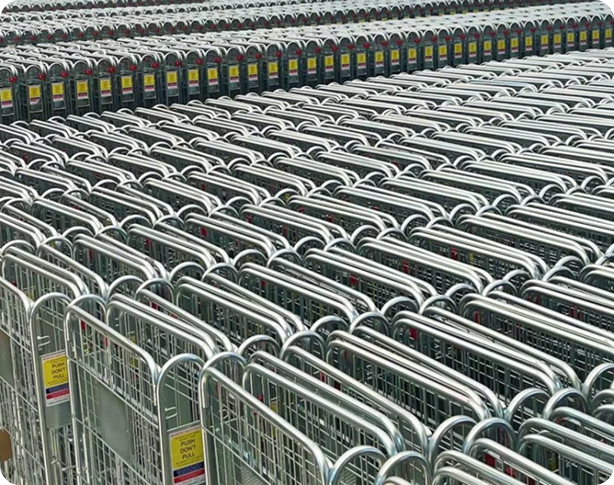
Check that your fleet’s large enough for expected footfall and that wheels, frames and child seats are in suitable condition. Arrange regular collection of trolleys from bays and other designated areas, keeping them tidy and accessible so customers can easily find one when they arrive.
Palletower supplies supermarket trolleys in capacities from 71 to 210 litres, with nestable designs that save space when trolleys aren’t in use. Reviewing the mix of sizes available can help stores match their fleet to their customers and premises.
After Christmas: preparing for January
Once the festive rush subsides, take time to review what happened. Which picking periods worked best? Were there recurring shelf gaps, congested routes or equipment shortages? Feedback from store colleagues is a potent way to identify practical improvements that sales data alone might miss.
Inspect equipment after peak, arrange any necessary maintenance and fold or nest suitable trolleys to free up space. Record what you learn while it’s still fresh, then use those insights to improve staffing, routes and equipment planning for the next busy period.
Get your store Christmas ready with Palletower
Palletower has over 60 years of experience supplying handling and storage equipment, supporting the likes of Asda, Waitrose, John Lewis, Sainsbury’s and Morrisons. We hold thousands of items in stock, ready for immediate dispatch, helping retailers prepare for peak without unnecessary delays.
Whether you’re reviewing your ecommerce picking process, upgrading your stock replenishment trolley fleet or preparing customer-facing supermarket trolleys, we offer options to buy or lease.
Browse our display and merchandise picking trolleys to find equipment suited to your operation, or contact us to discuss your requirements.
Christmas Peak FAQs
When should stores start preparing for the Christmas peak?
In short, now. Start planning as early as is practical, using previous sales and online order data to forecast demand, arrange staffing and check equipment. Reviewing trolley availability and condition before peak trading kicks in gives you more time to address shortfalls.
How can stores speed up online order picking at Christmas?
Plan routes around the store layout, consider batch picking where appropriate and use labelled totes to keep orders organised. A suitable ecommerce picking trolley can help colleagues collect and transport multiple orders in a structured way.
How can retailers replenish shelves without disrupting shoppers?
Schedule larger replenishment tasks for quieter periods where possible, prioritise fast-moving products and pre-sort stock by aisle. Clear parking arrangements and coordinated routes can also help keep customer walkways accessible.
What is an order picking trolley?
An order picking trolley is a wheeled unit used to collect, organise and transport products during order fulfilment. Depending on its design, it may hold multiple totes or provide shelves for merchandise, making it useful for retail ecommerce, stockrooms and in-store picking.