-
Products
-
![]() Storage & Logistics Equipment
Storage & Logistics Equipment
- All Products
-
Featured Products
Featured Products
- Used Products
-
![]() Racking & Storage Systems
Racking & Storage Systems
- All Storage Systems
- Racking Inspections and Repairs
- Safety, Process & Maintenance
- Warehouse Transfer Rentals
-
![]() Rental Equipment
Rental Equipment
- Equipment To Rent
-
![]() Manufacturing
Manufacturing
- Plastic Box Manufacturing
- Roll Pallet Manufacturing
- Stillages Manufacturing
-
![]() End-to-End Service
End-to-End Service
- The Full Product & Service Offering
-
- Rental
- Industries
- About
- News & Insights
- FAQs















How to Reduce Logistics Costs with Space-Saving Warehouse Equipment
- Storage Solutions
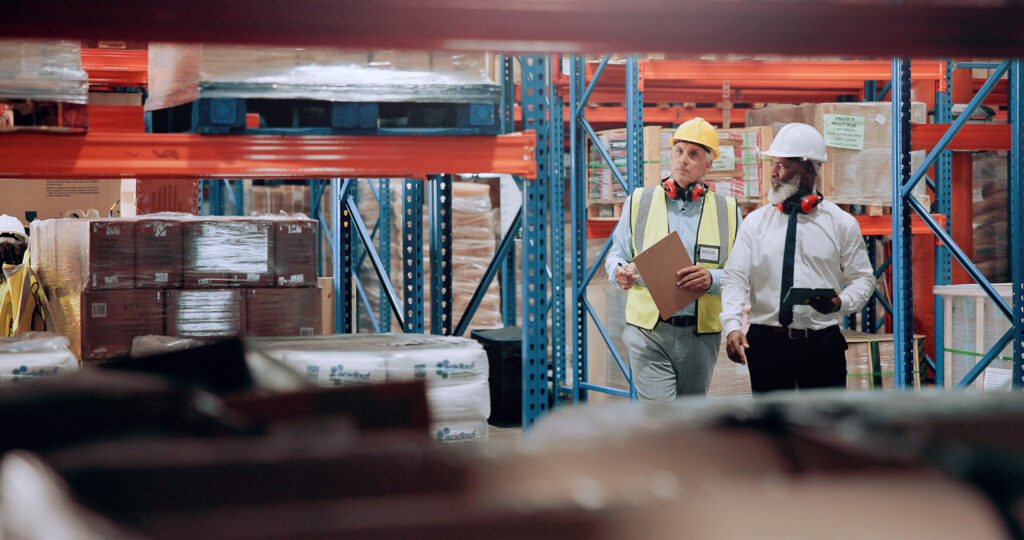
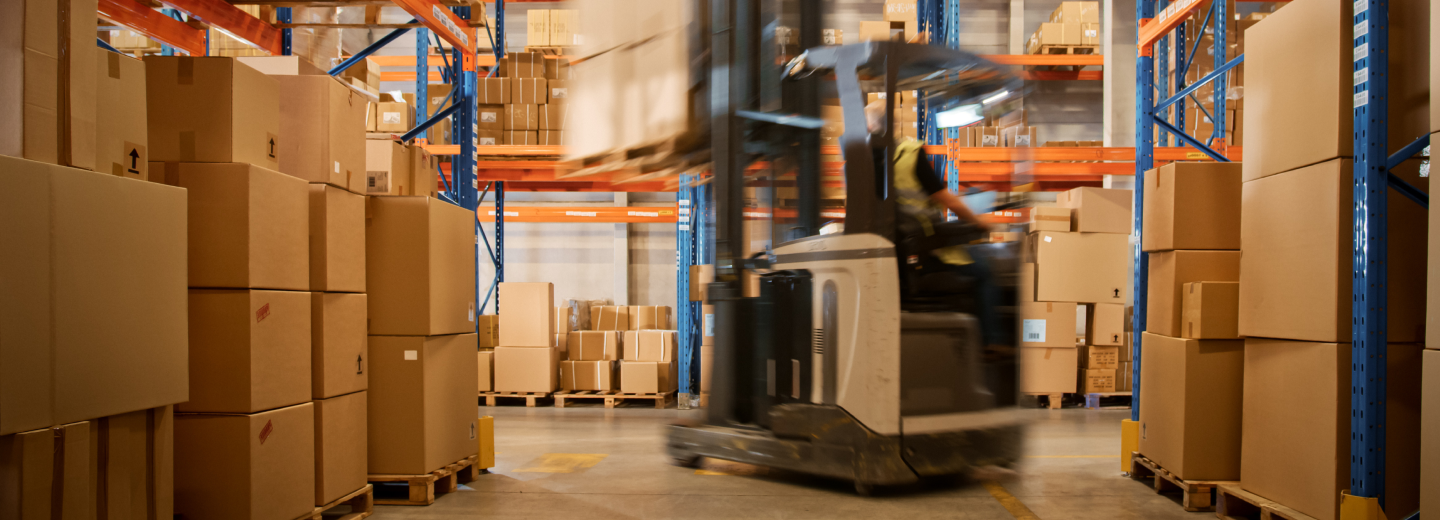
Rising fuel prices, increasing warehouse costs, and growing pressure to meet delivery expectations are pushing up logistics expenditure across supply chains. Businesses must improve efficiency while keeping service levels high and controlling operational costs.
Many businesses focus on carrier rates, route planning, and fuel efficiency when looking at how to reduce logistics costs in transportation. However, transport prices are only part of the picture; overall cost also depends on improving how goods, equipment, and materials move through storage, handling, and distribution.
Space-saving warehouse equipment offers a practical way to improve supply chain efficiency. By choosing the right storage and handling solutions, businesses can make better use of available space, improve vehicle capacity, and cut unnecessary operational costs.
Equipment such as folding cages, nesting roll cages, stackable plastic boxes, and collapsible containers can help reduce:
- Empty transport miles.
- Warehouse footprint requirements.
- Labour handling time.
- Storage costs.
- Packaging replacement costs.
Businesses that make the most of cubic space in both warehouses and vehicles can improve cost efficiency while building a more flexible and scalable logistics operation.
Why Warehouse Space Efficiency Matters for Logistics Cost Reduction
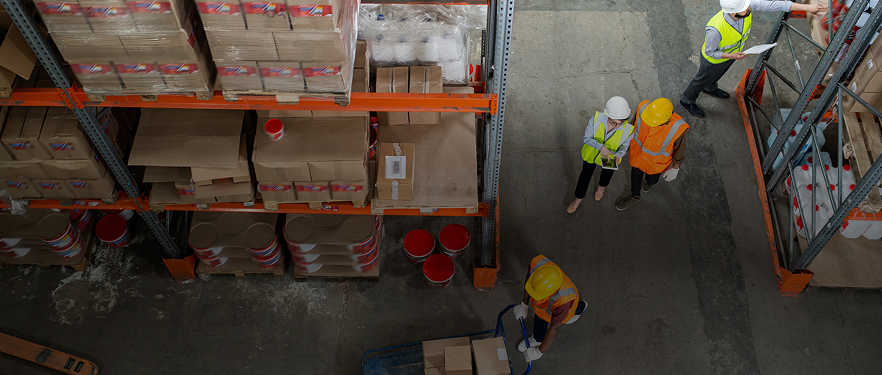
Warehouse space has become an increasingly valuable operational asset. As businesses grow, inefficient layouts and poor equipment choices create hidden supply chain costs.
Knowing how to reduce logistics costs starts with understanding that warehouse efficiency affects more than storage capacity. Poor use of available space increases transport costs, raises operating expenses, and reduces productivity.
Transport costs suffer when vehicles carry empty or poorly packed equipment. Returning empty cages or containers that cannot be collapsed or nested reduces available vehicle capacity. This means businesses may need more journeys, which drives up transport spend.
Warehouse operating costs are also shaped by space utilisation. Unused floor space pushes up rent, heating, maintenance, and facility costs. A poorly organised warehouse limits storage capacity and may create the need for additional premises.
Labour productivity is another important factor. When equipment, stock, and storage areas are not organised well, employees spend more time moving items, locating inventory, and completing unnecessary handling tasks.
Poor space utilisation can also increase inventory carrying costs. Businesses may hold additional stock due to a lack of visibility or efficient storage systems.
Warehouse optimisation supports:
- Faster throughput.
- Higher storage density.
- Improved inventory control.
- Lower transport cost per unit.
- More efficient use of labour.
By improving how space is used, businesses can run a more efficient operation and reduce logistics costs across the supply chain.
Warehouse Equipment to Consider for Reducing Transport and Storage Costs
Choosing warehouse equipment should be a strategic operational decision, not simply a purchasing exercise. The right equipment shapes how efficiently goods move through a supply chain, how much space a warehouse needs, and how well businesses manage transport and storage costs.
When looking at how to reduce logistics costs on transportation, businesses should look beyond the upfront equipment price and think about the wider operational impact. Equipment choices affect:
- Vehicle fill rates.
- Storage density.
- Return logistics.
- Product protection.
- Warehouse flexibility.Top of Form
Space-saving warehouse equipment supports more efficient handling. By using solutions built around specific operational needs, businesses can cut unnecessary movement, improve organisation, and create a smoother flow of goods through the operation.
Different equipment categories offer different advantages depending on the application. Folding cages reduce empty transport space. Nesting cages improve storage efficiency between uses. Reusable plastic containers support better stacking and product protection.
Understanding what each solution does allows businesses to choose equipment that supports long-term efficiency, helping them reduce logistics costs while improving warehouse performance.
Use Folding Cages to Reduce Empty Transport Costs
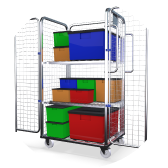
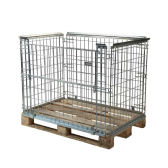
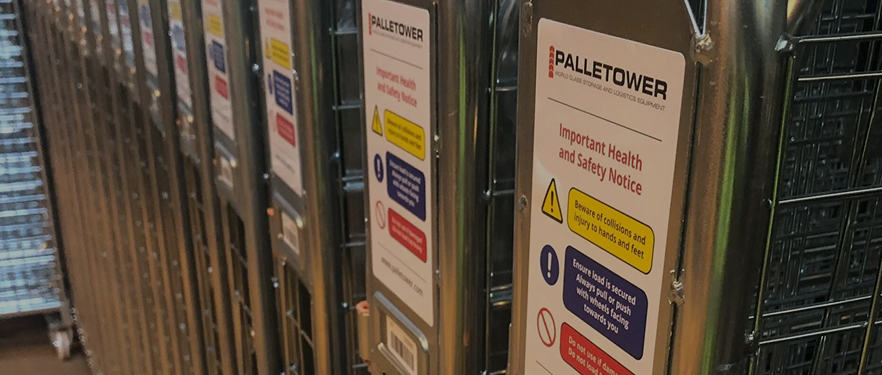
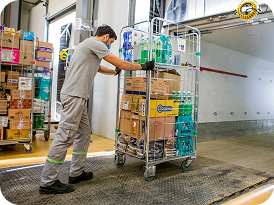
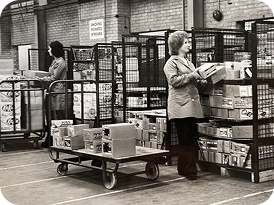
Folding cages are reusable transport units designed to collapse when not in use. They give businesses a practical way to handle goods securely while cutting the space needed during storage and return journeys.
Traditional rigid cages create problems because they take up the same space whether they are full or empty. This pushes up storage requirements and reduces transport efficiency.
Folding cages help businesses:
- Reduce reverse logistics costs.
- Increase warehouse storage capacity.
- Improve vehicle utilisation.
- Reduce handling requirements.
Collapsed cages allow more empty units to return in fewer vehicle loads, which cuts wasted transport space and helps businesses looking at how to reduce logistics costs on transportation by improving vehicle utilisation and removing unnecessary journeys.
Within warehouses, folded units take up far less floor space, allowing businesses to store more equipment without expanding their facility footprint.
By improving transport efficiency and reducing unnecessary movement, folding cages support lower operating costs, increase saleable goods transported, and improve labour efficiency.
Utilise Nesting Cages
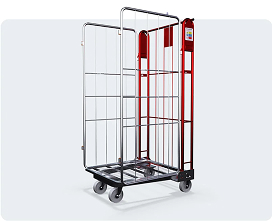
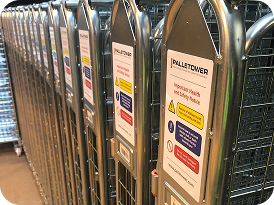
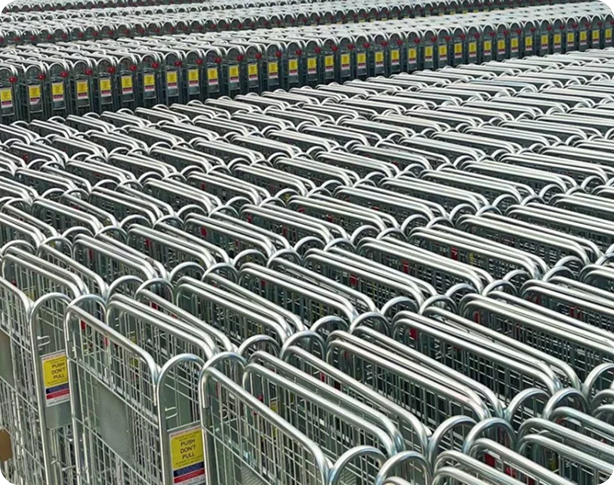
Nesting cages deliver similar space-saving benefits but work differently from folding systems. Rather than collapsing, nesting cages slot inside one another when empty, cutting the space needed between usage cycles.
This makes nesting systems particularly useful for:
- Fast-paced warehouse operations: They support high-throughput environments by reducing storage requirements between handling cycles.
- Distribution centres: They help to maximise available space while supporting efficient storage and movement of goods.
- Retail logistics: They improve space efficiency during replenishment, storage, and return processes.
- Multi-drop deliveries: They help optimise vehicle capacity by allowing more empty units to be returned after deliveries.
Nesting cages help cut warehouse footprint because several empty units can be stored together in a smaller area.
They also reduce transportation spend because more empty cages can fit onto return vehicles. This improves return transport efficiency and avoids wasted cubic capacity.
Additional benefits include:
- Improved operational flexibility.
- Faster loading and unloading.
- Reduced equipment congestion.
- Easier movement around warehouse areas.
For businesses exploring warehouse space-saving ideas, nesting equipment offers a straightforward way to improve space utilisation without overhauling the entire warehouse layout.
Beyond storage and transport benefits, nesting equipment improves operational flexibility through quicker deployment, reducing loading delays, equipment congestion, and unnecessary movement.
Improve Logistics Efficiency with Stackable Plastic Boxes
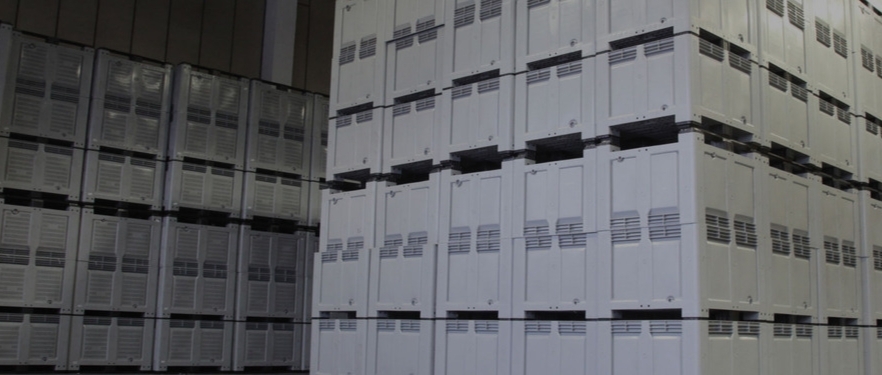
Stackable plastic boxes are reusable storage and transport solutions that help businesses move away from single-use packaging formats.
Many businesses are switching from cardboard and disposable packaging to reusable systems because they offer better durability, stronger product protection, and more consistent storage performance.
Reusable packaging systems are becoming increasingly important as businesses look to reduce waste and improve resource efficiency. They can also help keep packaging in circulation for longer, reduce reliance on single-use systems, and support a more circular economy approach.
Because they come in standard dimensions, stackable plastic boxes help businesses make the most of available vehicle and warehouse space, improving overall cube utilisation.
Key benefits include:
- Better use of transport capacity.
- Reduced packaging expenditure.
- Improved product protection.
- More organised warehouse storage.
- Easier inventory control.
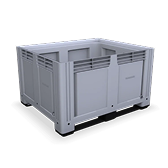
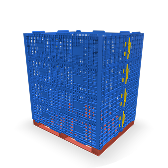
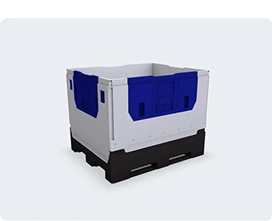
Reusable solutions such as nestable box pallets allow businesses to improve storage efficiency while keeping logistics operations running on a repeat-use basis. Stable stacking reduces the risk of product damage during movement, and standardised containers help teams improve picking and handling processes. Switching to reusable formats is a practical starting point for businesses exploring how to reduce cost in logistics without disrupting existing operations.
Overall, reusable stackable boxes help businesses increase goods transported per shipment while reducing packaging waste and replacement costs.
Warehouse Space Saving Ideas That Reduce Overall Logistics Costs
Equipment selection is central to warehouse efficiency, but businesses should also look at their broader operational setup. Wider optimisation means reviewing how space, people, and processes work together to cut unnecessary movement, reduce handling time, and improve the flow of goods from storage to dispatch. Practical warehouse space-saving ideas focus on layout improvements, cutting unnecessary movement, and building smoother workflows.
These improvements help businesses reduce storage requirements while improving throughput and productivity.
Maximise Vertical Storage Capacity
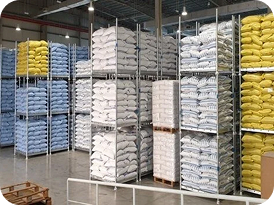
Many facilities do not fully utilise their available vertical space. Increasing storage height, improving rack layouts, and creating better-organised storage zones can significantly improve warehouse capacity, reducing the need for additional facilities.
Using vertical space effectively can help reduce:
- Warehouse expansion requirements: Maximising vertical space increases capacity without expanding facilities.
- Travel distances: Optimised layouts reduce movement between storage and handling areas.
- Storage costs per pallet position: Higher storage density lowers the cost of storing each pallet.
Improve Inventory Flow and Accessibility
Warehouse layout has a direct impact on movement and productivity. Poor configurations increase travel time, create congestion, and slow picking and dispatch processes.
Warehouse efficiency has become a major focus as businesses look to increase output without expanding physical space. Research from McKinsey highlights how warehouse design, workflow optimisation, and digital tools can help businesses improve layouts, test operational changes, and optimise material flows
Improving inventory flow involves:
- Creating faster picking routes.
- Improving SKU organisation.
- Reducing handling touches.
- Lowering warehouse congestion.
A well-planned layout helps employees move goods faster and reduces unnecessary labour demands. Better workflow also supports how to reduce cost in logistics by making every stage of the process more efficient.
Standardise Reusable Handling Equipment
Using multiple container types can create inefficiencies across a warehouse. Different formats can make stacking, loading, and storage harder to manage, reducing available space and creating unnecessary complexity in daily operations.
This lack of standardisation can also slow down handling processes, make equipment planning more difficult, and increase the risk of inefficient use of warehouse and transport capacity.
Standardising reusable handling equipment provides invaluable benefits to improve logistics, such as:
- Easier training.
- Better stacking compatibility.
- Faster loading.
- Lower replacement inventory requirements.
Returnable transport packaging strategies help businesses create more consistent logistics operations, with solutions such as collapsible plastic box pallets that provide flexible storage options that support efficient handling and transportation. For more information, read our blog on returnable transport packaging facilities (RTP).
Additional Ways to Reduce Costs in Logistics Operations
Warehouse equipment works best alongside wider operational improvements. Businesses should look at several areas when exploring how to reduce logistics cost on transportation and improve supply chain efficiency.
Transport optimisation helps through better route planning and vehicle consolidation. Smarter planning removes unnecessary journeys and improves vehicle efficiency.
Inventory management also matters. Cutting unnecessary stock holdings lowers storage requirements and frees up cash flow.
Packaging optimisation reduces wasted volume by making sure vehicles and storage areas are used as effectively as possible.
Automation improves throughput and takes repetitive manual tasks out of the equation. Warehouse performance data helps identify inefficiencies and target areas for improvement.
Warehouse equipment supports all of these initiatives by improving how goods are stored, moved, and managed. Taken together, these steps show how to reduce cost in logistics at both the warehouse and transport levels.
Industry Examples of Reducing Logistics Costs
Businesses across a range of sectors use space-saving warehouse equipment to improve efficiency and keep costs down.
Manufacturing businesses use reusable handling equipment to cut work-in-progress storage requirements and improve internal material flow.
Food production companies benefit from durable solutions that support hygiene standards while improving reusable packaging efficiency.
Retail businesses use compact storage and handling solutions to improve replenishment processes and reduce return transport costs.
Automotive companies often use reusable packaging systems to support closed-loop supply chains (a sustainable business model that integrates both the forward and reverse flows of a product) and improve component movement between locations.
Across all sectors, better space utilisation helps businesses reduce logistics costs, lower their environmental impact, and build more reliable operations. For any business looking at how to reduce costs in logistics, equipment choice is a practical and immediate starting point.
Choosing the Right Space-Saving Warehouse Equipment
The right equipment depends on the needs of each operation. Knowing how to reduce logistics costs on transportation means evaluating both the purchase decision and its wider operational impact. Businesses should think about:
- Return journey frequency.
- Available warehouse space.
- Product dimensions.
- Handling requirements.
- Environmental conditions.
- Hygiene standards.
- Equipment lifecycle costs.
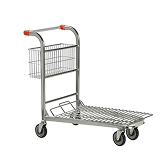
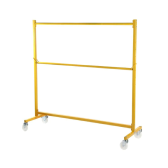
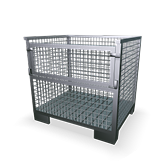
Products such as nestable roll pallets and collapsible cage pallets help businesses improve space utilisation while supporting efficient warehouse and transport operations.
The cheapest option does not always deliver the best long-term value. Businesses should weigh up the total cost of ownership, including storage requirements, transport efficiency, durability, and replacement costs.
Reduce Storage and Logistics Costs with Space-Saving Warehouse Solutions from Palletower
Space efficiency plays an important role in reducing transport spend and improving warehouse performance. Reusable equipment helps businesses lower operating costs while creating more efficient storage and handling processes.
Palletower has been supplying materials handling and storage equipment since 1967, supporting businesses across warehousing, retail, and industrial sectors.
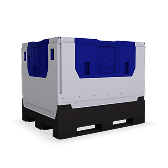
With solutions including nestable roll pallets and nestable box pallets designed for space-efficient return logistics, collapsible plastic box pallets built for flexible storage, and collapsible cage pallets suited to heavy-duty industrial handling, Palletower helps businesses improve logistics efficiency through practical and reliable solutions.
UK stockholding supports fast availability, while Palletower’s storage and handling expertise helps businesses find solutions matched to their needs.
If you’re looking at how to reduce logistics cost on transportation while improving warehouse efficiency, contact Palletower to find the right space-saving solution for your operation.