-
Products
-
![]() Storage & Logistics Equipment
Storage & Logistics Equipment
- All Products
-
Featured Products
Featured Products
- Used Products
-
![]() Racking & Storage Systems
Racking & Storage Systems
- All Storage Systems
- Racking Inspections and Repairs
- Safety, Process & Maintenance
- Warehouse Transfer Rentals
-
![]() Rental Equipment
Rental Equipment
- Equipment To Rent
-
![]() Manufacturing
Manufacturing
- Plastic Box Manufacturing
- Roll Pallet Manufacturing
- Stillages Manufacturing
-
![]() End-to-End Service
End-to-End Service
- The Full Product & Service Offering
-
- Rental
- Industries
- About
- News & Insights
- FAQs














Steel vs Plastic: Which Storage Solution is Right for Your Warehouse?
- Storage Solutions
- The Right Equipment
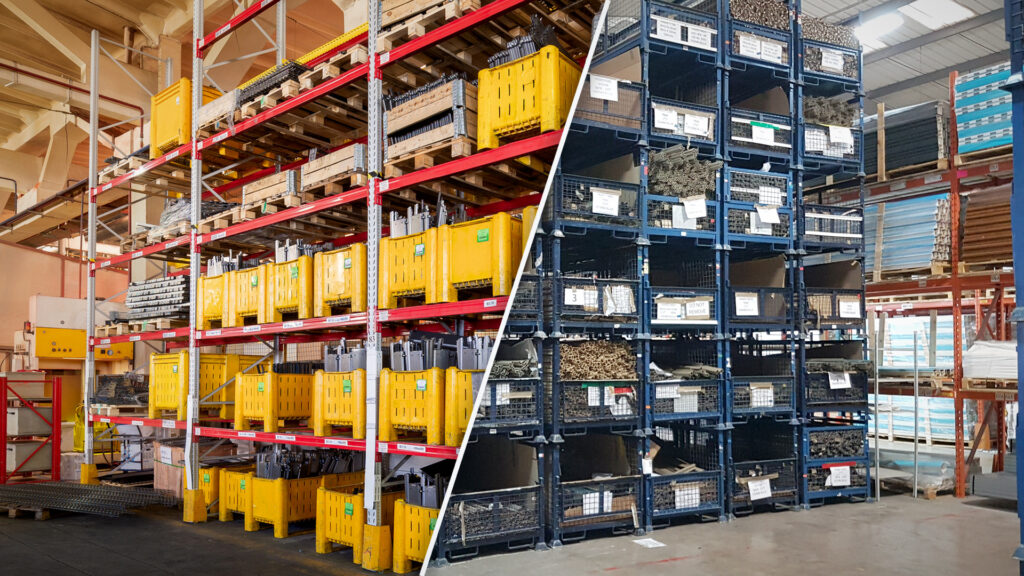
Most warehouse managers have a mental image of “the reliable one” and “the practical one.” Steel handles the heavy stuff. Plastic handles the fiddly stuff. Job done.
In reality, the decision is rarely that clean. Load capacity, running costs, hygiene rules, and how quickly you can scale up storage all pull in different directions. Getting it wrong means paying for capacity you don’t need or durability you can’t afford to be without.
Palletower supplies both steel and plastic storage and handling equipment, and we’re happy to help you match the right material to your needs. This guide explains where each one earns its place, and how to work out which fits your operation.
What’s the Difference Between Steel and Plastic Storage Equipment?
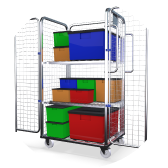
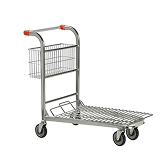
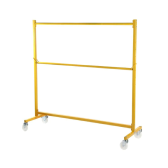
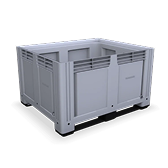
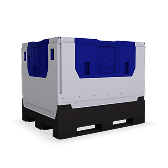
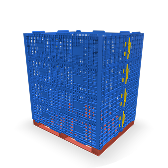
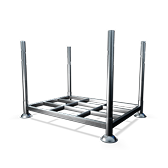
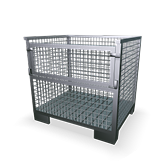
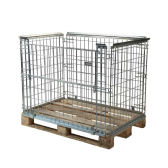
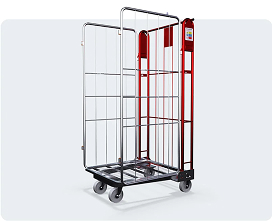
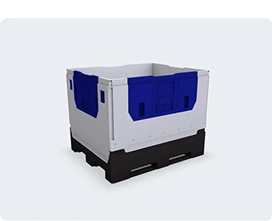
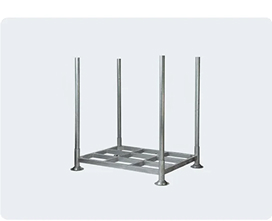
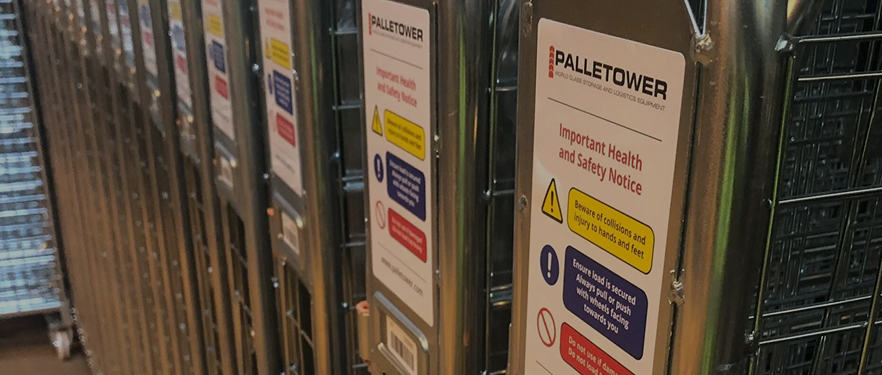
Steel and plastic storage equipment do the same job: they store, protect and move goods around your warehouse. Palletower’s range spans both, including roll pallets, stillages, cages and racking in steel, and pallets, box pallets and collars in plastic.
Manufacturers usually paint or galvanise mild steel equipment for protection or use stainless steel in hygiene-critical settings. Manufacturers often make plastic equipment from High-Density Polyethylene (HDPE) or polypropylene and may incorporate recycled material.
‘Steel rusts’ is usually the first objection people raise. It’s a fair concern, but galvanising or powder coating solves it. Most steel equipment carries this protection from the outset, not as an afterthought bolted on later.
As a rule, steel handles heavier, more demanding loads, while plastic suits lighter goods that get handled often or need to meet hygiene standards. Plenty of warehouses run both, matched to different zones or product lines on the same site.
The Advantages of Steel Storage Equipment
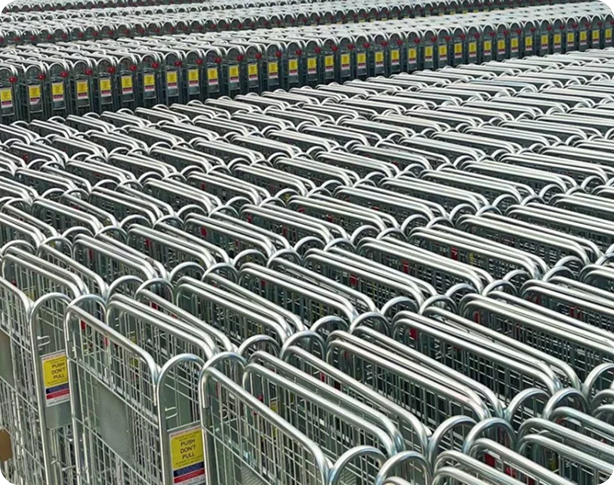
Steel performs best where the loads are heavy, and the conditions are unforgiving. Automotive, heavy manufacturing and industrial component storage all lean on steel for exactly this reason: the equipment needs to take a beating for years and keep performing.
Strength and Load Capacity
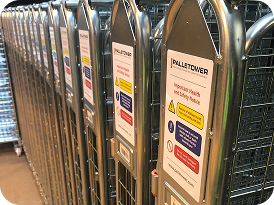
Steel roll cages and stillages typically handle loads from several hundred kilograms up to over a tonne per unit, well beyond most plastic equivalents. Under sustained weight, steel is less likely to flex or fail, which is why it’s the default choice for industrial and manufacturing environments.
Durability in Demanding Environments
Steel withstands rough handling, impacts, outdoor exposure and high-traffic aisles better than most plastics. If operators damage it, maintenance teams can usually repair it instead of replacing it.
Long-Term Lifespan
You’ll pay more for steel upfront. Over a long enough timeline, though, that gap often closes, since its working life can outlast several generations of a lighter-duty alternative. This shows up most clearly in constant, high-frequency use environments, such as automotive parts distribution, where cages are loaded and unloaded daily, 3PL cross-docking sites running round-the-clock shifts, and manufacturing lines moving heavy components between stations day after day. In these settings, steel’s longer service life often works out cheaper per year of use than replacing plastic equipment every few cycles.
Stackability
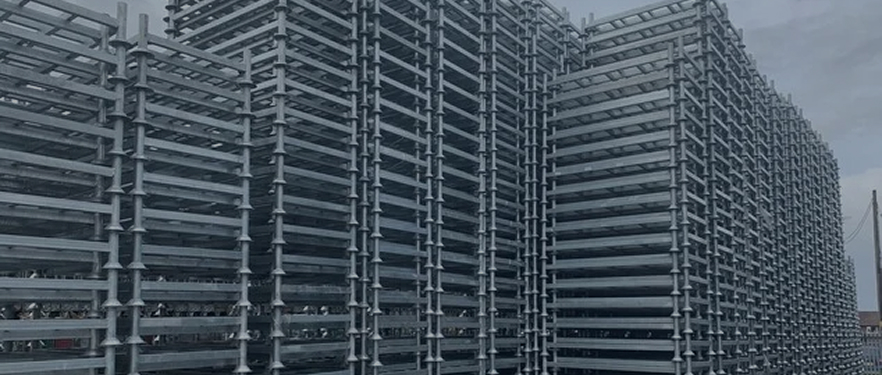
Loaded steel stillages and cages tend to stack higher and hold their stability better than plastic equivalents, which makes steel a strong option for warehouses trying to squeeze more out of their vertical space.
Fire Resistance
Steel doesn’t burn. That single property matters more than it might seem, particularly for businesses with strict fire safety obligations or insurance requirements built around non-combustible storage. Automotive workshops and paint shops, chemical and pharmaceutical storage, and any site holding flammable materials or lithium batteries are all places where this factor tends to decide the material choice outright. Insurers in these sectors will often specify non-combustible equipment as part of their risk assessment, so you should check your insurer’s requirements before you commit to plastic.
Repairability
You can usually straighten out a dented steel cage or refurbish a bent stillage. Cracked plastic, on the other hand, generally goes straight in the skip. That difference adds up over the equipment’s lifetime.
The Advantages of Plastic Storage Equipment
Plastic works best where speed, hygiene and noise matter more than raw strength. Food and beverage, pharmaceuticals, retail and e-commerce all favour plastic, because the goods are lighter, the turnover is high, and cleanliness is non-negotiable.
Lightweight, Quiet Handling
Lighter equipment means staff move it faster and with less strain, which shows up directly in pick-and-pack speeds. It also ties into the HSE’s manual handling guidance, which flags weight as one of the biggest factors in handling-related injury.
There’s a quieter benefit too, literally. Plastic doesn’t clang the way steel does. It’s easy to overlook, but in a busy distribution centre, or a site operating close to residential neighbours, it makes a real difference to the working environment.
Hygiene and Corrosion Resistance
Plastic’s smooth, non-porous surface means no splinters and no rust flaking into product, which makes meeting food safety and HACCP-type standards (Hazard Analysis and Critical Control Point) considerably more straightforward. That’s exactly why food, pharmaceutical, and retail operations tend to standardise on it.
Cost-Effectiveness for Lighter Loads
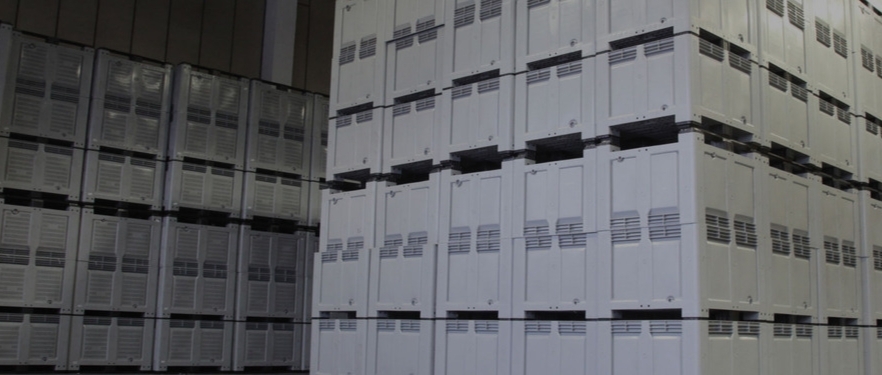
Unit costs are lower than steel to start with, and much of Palletower’s plastic range is nestable or collapsible, which cuts storage space and return transport costs on top of the initial saving.
Space-Saving
Collapsible and nestable designs can shrink your empty storage footprint considerably once equipment isn’t in use. Check the spec sheet or speak with our team for product-specific reduction ratios.
Key Factors to Consider When Choosing Between Steel and Plastic Storage Solutions
Load Weight and Capacity
What’s the heaviest single load you’ll handle, and how often will you be handling it? Occasional heavy lifts and constant heavy lifts call for very different answers.
Storage Environment
Before choosing steel or plastic, weigh up the environment your products will sit in:
- Moisture.
- Chemical exposure.
- Outdoor yards versus indoor use.
- Temperature, including cold stores below 0°C.
Plastic performs consistently in cold stores. Steel can too, but it needs stainless steel or careful coating to avoid corrosion in damp or chemical-heavy settings.
Budget and Total Cost of Ownership
The upfront number rarely tells the full story. Steel usually costs more to buy but lasts longer, while plastic costs less initially but may need replacing sooner. You should factor maintenance, repair, and replacement costs into the calculation. Over a five- to ten-year period, the equipment with the lower price tag isn’t always the cheaper option once downtime and replacement cycles are added up. It’s worth costing out both options against your actual usage pattern rather than the sticker price alone.
Frequency of Use and Handling
- High-frequency manual handling favours lighter plastic equipment.
- Static or heavy-duty storage favours steel.
Automation and ASRS Compatibility
Automated storage and retrieval systems (ASRS), along with robotic and conveyor-based warehouses, depend on consistent, predictable dimensions and weight from their storage equipment. Both plastic and steel hold up well here, since neither warps nor varies in size the way wood can, making both suitable for automated environments in a way wood simply isn’t. If you’re running or planning an automated warehouse, this is worth flagging early, since it’s a consideration that wood-based comparisons don’t need to cover at all.
Sustainability and Recyclability
- Both materials are fully recyclable at end of life.
- Steel has a high scrap value, which makes end-of-life recovery straightforward.
- Plastic increasingly uses recycled content, such as recycled HDPE or polypropylene, in manufacture, so it’s worth asking suppliers directly about recycled content where sustainability is a procurement priority.
If sustainability targets factor into your decision-making, weigh recyclability and recycled content alongside cost and performance rather than as an afterthought.
Which Storage Solution Is Right For Your Warehouse?
The right answer comes down to your goods, your environment and how your operation runs, not a fixed formula. As a general guide:
- Heavy industrial or manufacturing loads: steel is usually the better fit.
- Food, pharma and retail environments where hygiene is critical: plastic is usually the better fit.
- Mixed or seasonal operations: a combination of both, with rental as a flexible option if demand fluctuates.
- Outdoor or cold storage: plastic for corrosion-free performance, or galvanised or stainless steel depending on the load type.
None of this is set in stone. The right choice depends on your specific needs and goals, and running both materials across a single site is standard practice for warehouses handling a range of goods.
Depending on Your Warehouse Needs and Goals, Palletower Has the Storage Solution For You
The right material for your warehouse storage solutions shouldn’t be a guess. Whatever your operation looks like, Palletower can help you find the right fit, with bespoke design for non-standard loads, UK stockholding for fast turnaround, dual-material offering, and rental options if you’d rather trial a material before committing to a purchase.
Our team are here to recommend the right storage solution for your warehouse, based on how you actually operate, not a standard catalogue list. Enquire or contact the Palletower team to find the right storage solutions for your warehouse.